
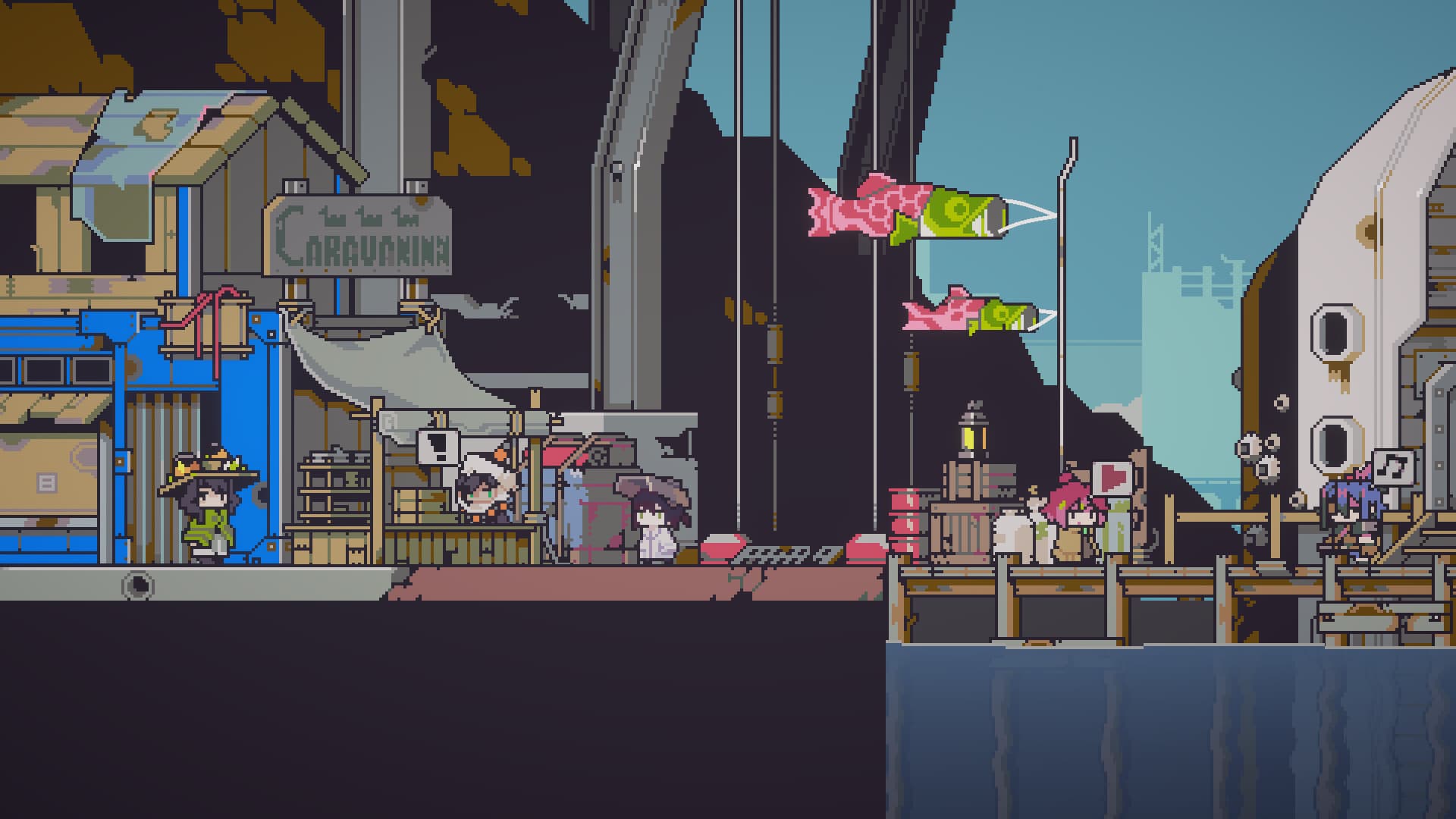
Choose every recipe for recovery, profit, or collection. Compare the live raw and cooked values, reserve route food, and upgrade equipment only when a recipe needs more capacity.
How cooking recipes work
Doloc Town cooking recipes serve three different jobs: restoring Energy, Health, or Stamina; preparing supplies for long exploration routes; and increasing the value of selected ingredients. Unlock recipes through the Tech Tree, quests, mail milestones, and NPC interactions, then match each recipe to the equipment capacity and ingredients it requires.
Do not assume every cooked result is worth more than its raw materials. Compare the live ingredient value with the finished item before processing a full harvest, especially during seasons that change shop prices. Keep separate reserves for seed research, quests, gifts, and exploration so a profitable-looking cooking batch does not block the next unlock.
Unlock recipes and cooking equipment
The Cooking Pot is the most important early device because it turns ordinary harvests into recovery food and selected sale goods. Recorded full-release gameplay starts with combinations of two ingredients, while later equipment accepts more ingredients. Some four-ingredient recipes require a larger cooking device, so small equipment cannot complete the entire recipe collection.
Many recipes depend on the Life side of the Tech Tree. Check the point cost before unlocking a recipe that uses an unavailable region, season, monster drop, or tool-gated ingredient. When Goldcoin and technology points are limited, storage, watering, and access upgrades may solve a more urgent problem than another dish.
Recipes can also arrive through quests, mail, and character progression. This means a blank recipe slot does not always indicate a missing crop; it may require another relationship milestone or system unlock. Use the in-game recipe menu to distinguish unknown recipes from known recipes that have not yet been cooked.
Verified value examples
The following examples come from recorded version 1.0 gameplay and illustrate the decision process. They are not permanent price guarantees, because patches and seasonal pricing can change the comparison.
| Ingredient or recipe | Recorded comparison | Recommended use | Important note |
|---|---|---|---|
| 2 Endyam → Mixed Endfoods | About 80G raw → about 110G cooked | Early verified value gain and recovery food | Recheck current prices before processing a full crop |
| Chinese Cabbage | About 130G raw | Sell raw when no better recipe is available | A clear example that cooking is not always more profitable |
| Egg → Century Egg | About 75G raw → about 200G processed | Strong recorded processing gain | Uses the Pickling Jar, not the Cooking Pot |
| Exploration food | Recovery value varies | Keep for deep routes and combat | Practical value can exceed the sale price |
| Rare or required ingredient | No universal value | Reserve for research, quests, gifts, or collection | Do not process the last copy automatically |
Mixed Endfoods is a useful early benchmark because the example has both a raw and cooked comparison. Chinese Cabbage is the opposite benchmark: the recorded guide did not find a clearly better cooking use, so selling the crop raw could be the more efficient choice. Together they show why a recipe list needs profit context rather than a simple “cook everything” rule.
How to make Century Egg in Doloc Town
Put an Egg into the Pickling Jar, not the Cooking Pot. The recorded example compares an Egg worth about 75G with a Century Egg worth about 200G, but the current inventory values should still be checked before processing a large batch. Build the Pickling Jar only when that processing line supports the farm's actual output.
Choose food for recovery or profit
Food can restore Energy, Health, and Stamina. Sleeping on schedule can improve how effectively food supports the next day, so recovery planning begins before the cooking menu opens. For an ordinary farm day, use renewable ingredients; for a long Old City or Rivervalley route, reserve stronger recovery food even when it has a tempting sale value.
Separate “money food” from “route food” in storage. Goods chosen for profit can move toward the Cargo Drone, while exploration meals stay near tools, Tickets, and combat supplies. This prevents an automated shipment from selling the food intended for a difficult route.
Avoid cooking rare fish or the last example of an unusual crop until collection, research, and faction requests are checked. Common catches are safer cooking inputs, but uncommon fish may unlock surveys or other progression. The value of preserving one copy can be higher than the immediate meal.
Plan crops for the kitchen
Stable cooking begins with stable farming. Arrange planting so ingredient crops mature together, then process the harvest in batches instead of using exploration hours on repeated single dishes. Sprinklers, weather protection, and Containers reduce the chance that Acid Rain or Thunderstorms interrupt the ingredient supply.
Divide each harvest into four groups: seed or plant research, active quest requirements, recovery food, and sale or processing stock. Only the final group should be treated as unrestricted kitchen input. If a crop is also a common building or progression requirement, keep an additional reserve before cooking.
Animal products can join the same daily loop, but they may use different equipment from crop recipes. Check whether the item belongs in a Cooking Pot, Pickling Jar, or another processor before buying duplicate machines. A recipe page should describe device capacity and source requirements, not just the final item name.
Recipe achievements and failed dishes
Recipe Collector requires making 10 different recipes, and Master Chef requires 50 different recipes. The in-game menu tracks recipes already made and recipes still missing, so use it as the completion checklist. Repeating one profitable dish does not advance the different-recipe total after its first successful craft.
Failed recipes have a separate novelty and achievement use. Steam achievement guidance records that failed dishes with the same name can be combined again and may eventually produce a special failed food that makes the character pass out. Treat this as an optional collection mechanic, not a normal recovery strategy.
Food can also function as a gift or story item. Kasia's Cake, for example, belongs to a verified character interaction rather than ordinary meal planning. Do not sell or eat a named quest food until its associated relationship step is complete.
Cooking priority route
- Unlock the Cooking Pot only after the farm can supply renewable ingredients.
- Make one verified recipe and compare the live raw and finished values.
- Reserve food for Energy, Health, and Stamina before sending surplus to market.
- Track 10 and 50 unique-recipe milestones through the in-game menu.
- Upgrade to larger equipment when a required recipe exceeds the current ingredient capacity.
- Add the Pickling Jar or other processors only for a confirmed ingredient line.
This route prevents equipment collection from consuming the materials needed for tools, sprinklers, storage, or station access. A smaller kitchen with a clear purpose is more useful than every device operating without a profitable or restorative plan.
Version notes
Exact processing times, recovery amounts, and many recipe prices remain To be confirmed for the current patch. The recorded examples above are included as decision models, not guaranteed fixed values. Always use the current in-game menu and inventory value before committing rare ingredients or an entire seasonal harvest.
How this guide was checked
Recipe values, unlocks, recovery uses, and achievements were compared across the collected recipe tables and version 1.0 gameplay notes.
- Official Doloc Town Steam pageRelease, developer, platform, and official game overview.
- Steam Community reference guideCommunity-maintained reference tables checked against the collected notes.
- 30+ Early Game Tips & Tricks videoFull-release gameplay demonstrations and timestamped route notes.
Reviewed by the Doloc Town Wiki editorial team for version 1.0 · Last evidence review: 2026-08-17 · Read the editorial policy
Use spare crops for gifts
Start relationships with accessible produce before committing rare materials.
Doloc Town Character Gifts, Birthdays & Quests